
Sustainability & Climate Strategy Consultant specializing in Decarbonization and ESG Policy.
Dr. Osen Pongen builds strategies for decarbonization projects and provides advisory services to clients to address challenges and evaluate opportunities in their energy transition journey. He has helped corporate transformation teams in Houston and international agencies like UNESCO better navigate climate policy developments and leverage incentives for carbon capture, decarbonization, and equitable sustainability. Some focal experiences include translating complex climate policy analysis and socio-economic data into actionable insights, and managing diverse stakeholders to foster collaboration for developing and implementing carbon pricing strategies.
He has contributed to conversations in political ecology on issues of access, agency, and indigeneity. He has also presented on panels in Washington D.C. to operationalize carbon markets in climate policy discourse.
His research and publications have promoted the triangulation of geospatial methods with empirical observations to prioritize the importance of place-based research. The outcomes draw attention to the deeper interactions and relationships that can help us better understand the world around us, our lived experience, and how it is shaped.


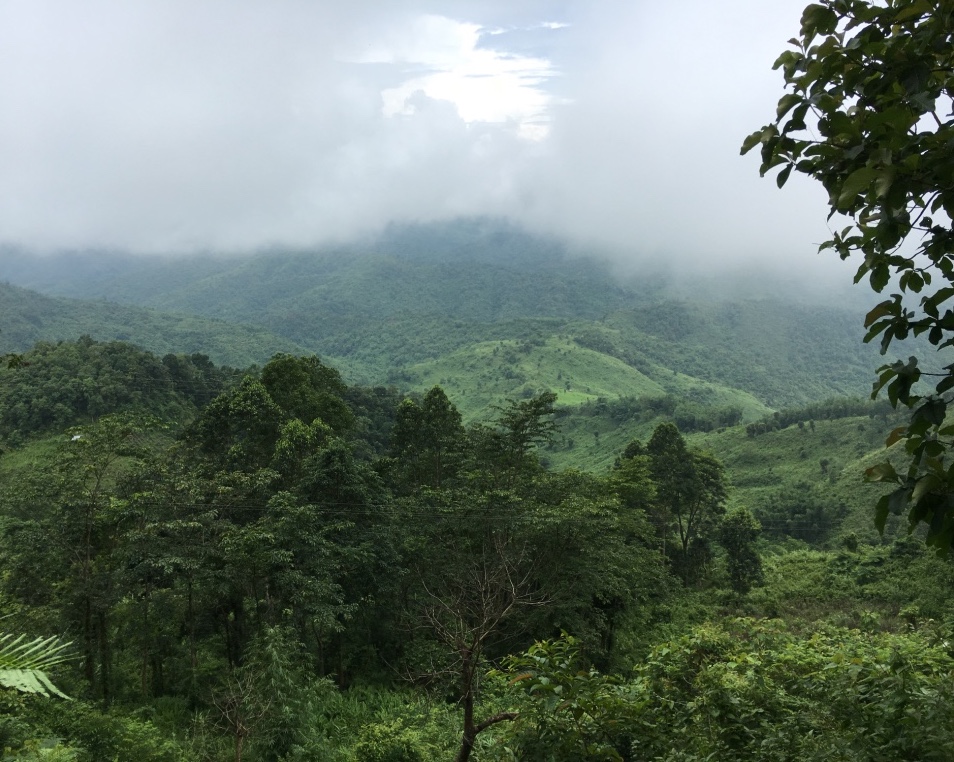
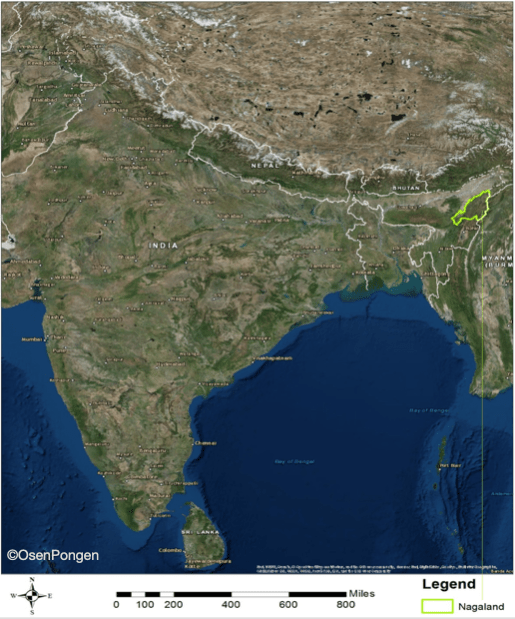
His doctoral dissertation (University of South Florida) examined the implications of Climate Action on the land relations and bioeconomy of the Naga tribes in northeast India. Using simulated carbon maps and archival photographs, in-depth interviews were conducted with key local representatives from government, industry, academia, and community leadership.
Published articles in Digital Geographies and Society and the South Asianist Journal highlight the complicated ways that social relations of power are further polarized by the neoliberalism of agribusiness plantations for cash crops and other commodity extraction. India’s agenda for palm oil and carbon markets in the Northeast region is then critiqued against this backdrop. The results foreground the risks of these markets, while also strategizing customized pathways for local communities to repurpose carbon finance for equity and empowerment.
Some of his previous appointments include spearheading a Biosphere Reserve initiative by facilitating the evaluation of Dzukou and Pangti regions with the state government and UNESCO HQ.

Apart from professional and research commitments, he has taught courses on Climate Change and Environmental Policy at The University of South Florida. The topics covered provide a geohistorical perspective of climate science highlighting the unprecedented attributes of anthropogenic global warming. Ancillary summative assessments delivered also encourage students to explore policy opportunities and address technological limitations to achieve a carbon-neutral economy.
 Osen Pongen, PhD